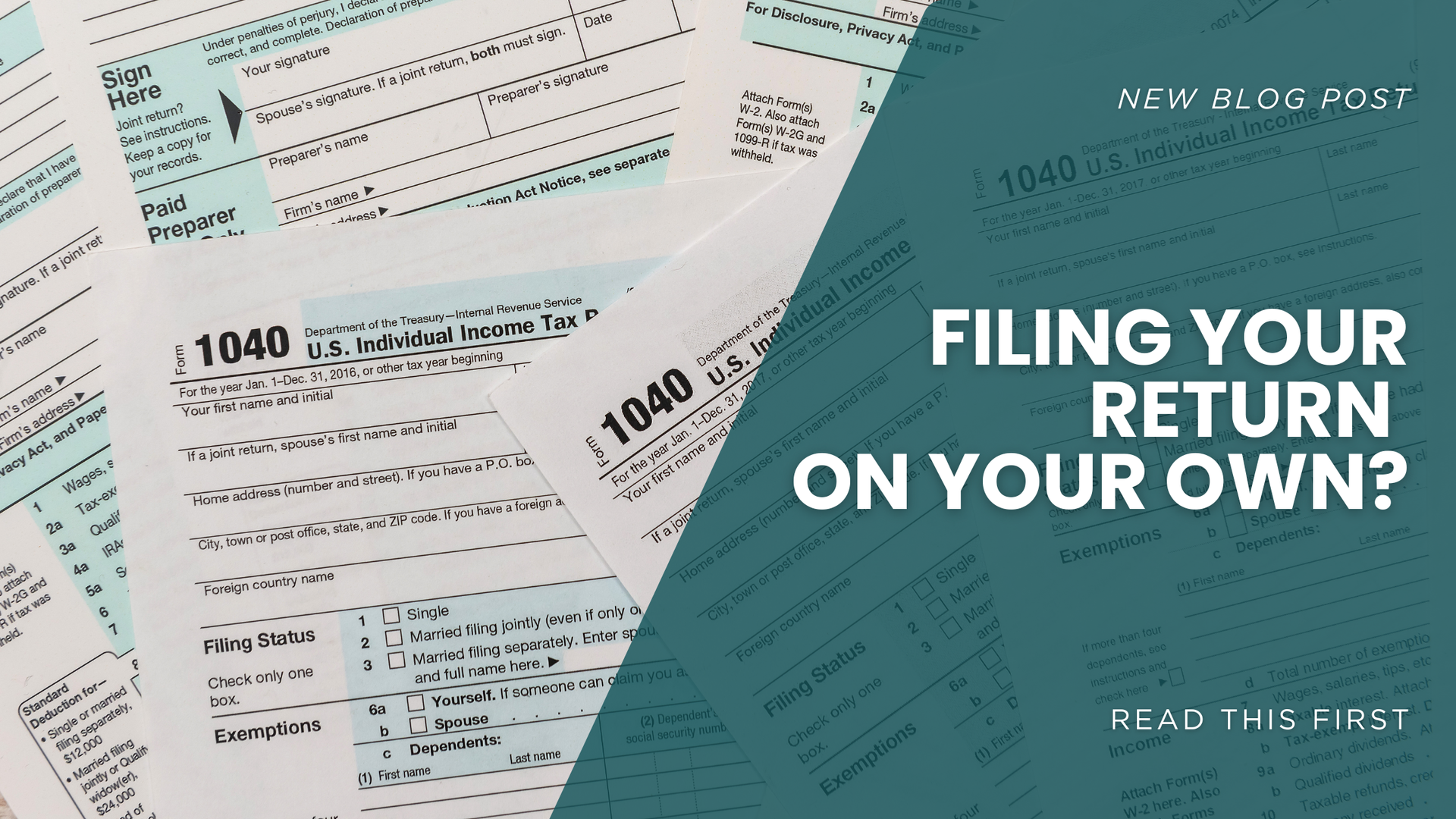
Filing your own taxes can feel like a smart move.
You save money.
You get to control the process.
And honestly, with all the software out there, it doesn’t seem that hard.
But here’s the thing most people don’t think about:
Filing your taxes and actually understanding your taxes are two very different things.
Where DIY Tax Filing Trips People Up
It’s not usually about making a huge mistake. Most of the time,
it’s about the little things that slip through the cracks.
For example:
- Deductions you might actually qualify for but don’t claim
- Expenses filed in the wrong category
- Income that could be reported more strategically
Each little “oops” seems harmless on its own, but over time they add up. Usually as paying more than you need to, cash flow feeling tighter, or unexpected surprises months later.
The Bigger Picture: Strategy Matters
Most DIY filings focus on one thing:
“Just get this done.”
That works if your only goal is to check a box.
Smart business owners don’t stop there; they consider how their income is structured, time their expenses for maximum benefit, and plan for what’s coming next.
Without that kind of thinking, you’re not really planning. You’re reacting.
Why It Feels Fine Even When It’s Not
This is a classic trap.
Nothing feels off, so it’s easy to assume you’re doing great. But the cost of DIY filing often hides in plain sight:
- Paying more taxes than necessary
- Missing opportunities to reinvest in your business
- Making decisions without a full picture of your finances
Individually, these may feel small. Together, they can quietly hold your business back.
When DIY Actually Works
Let’s be real: not everyone needs help.
If your business is small, simple, and consistent, DIY can work.
But the second things start to grow — more income, more expenses, more moving parts — that’s usually when mistakes start creeping in.
Check In with Yourself
Instead of:
“Can I file my own taxes?”
Try asking: “Am I really making the most of my business financially… or just surviving tax season?”
Because those are very different outcomes.
Final Thoughts
Doing your own taxes can save you money upfront, but if it costs you clarity, strategy, or missed opportunities, you might end up paying for it in other ways.
Think of it like this: Filing is just the start.
Understanding and planning? That’s what really moves your business forward.
If you want to make sure your business is set up to save money and stay stress-free, schedule your Strategy Session today — it could be the best investment you make this year.